Cultural viewpoints on gambling across different societies
Historical Perspectives on Gambling
Gambling has been a part of human culture for centuries, with its roots tracing back to ancient civilizations. In ancient Rome and Greece, games of chance were a popular pastime among the elite, often linked with rituals and social events. Archaeological evidence reveals that dice and betting games were prevalent, suggesting a deep-seated acceptance of gambling as a form of entertainment. New players wishing to engage with this world may find resources like 7signs login helpful for getting started.
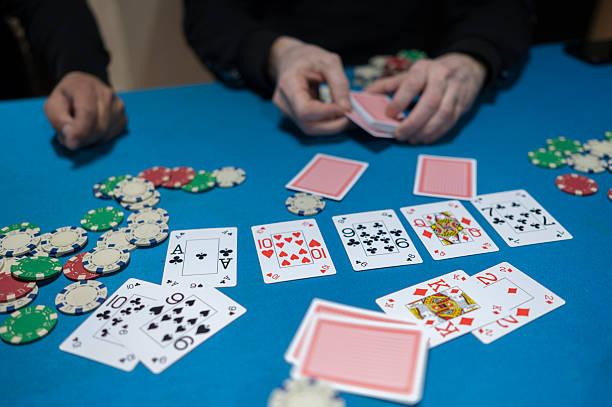
Over time, different societies have evolved distinct views on gambling. In some cultures, it is celebrated as a social activity, fostering community bonds, while in others, it is viewed with suspicion or outright prohibition. The varying attitudes often reflect broader cultural values and norms, highlighting the complex relationship between gambling and society.
Gambling and Religion
Religion plays a significant role in shaping cultural attitudes towards gambling. In many faiths, gambling is seen as morally questionable. For instance, certain interpretations of Christianity, Islam, and Buddhism promote the idea that gambling is detrimental to spiritual growth and social responsibility. This perspective has led to strict regulations or outright bans in regions where these religions dominate.
Conversely, some indigenous cultures incorporate gambling into their spiritual practices, using games to communicate with the divine or as part of rituals that strengthen community ties. These contrasting views illustrate how religious beliefs can influence societal acceptance or rejection of gambling.
Social Implications of Gambling
Gambling can have profound social implications, both positive and negative. In cultures where gambling is embraced, it often serves as a means of social interaction and entertainment. Community events centered around gambling, such as fairs or tournaments, foster connections among participants and promote a sense of belonging.
However, in societies that experience gambling-related issues, such as addiction or economic hardship, the consequences can be devastating. The social fabric of communities may suffer, leading to strained relationships and increased crime rates. This duality underscores the importance of understanding the broader societal impacts of gambling in various cultural contexts.
Modern Trends in Gambling
With the advent of technology, the landscape of gambling has changed dramatically. Online gambling platforms have made it accessible to a wider audience, transcending geographical boundaries. This accessibility has led to a shift in how different cultures engage with gambling, often blurring the lines between traditional practices and modern gaming.
Additionally, the rise of gambling legalization in several regions reflects changing cultural attitudes. As societies become more open to gambling, it is often seen as a potential economic driver, generating revenue and creating jobs. However, this also raises concerns about responsible gambling practices and the need for regulatory measures to protect vulnerable populations.

Exploring Online Gambling Platforms
As gambling continues to evolve, platforms like 7Signs Casino offer users an engaging online environment that caters to diverse cultural perspectives. By providing a seamless interface for account management and gaming, these platforms enhance user experiences while addressing the complexities of responsible gambling.
7Signs Casino prioritizes security and user support, fostering a safe and enjoyable atmosphere for both newcomers and seasoned players. Understanding cultural viewpoints on gambling can help players navigate this dynamic space responsibly, making informed choices that align with their values and social norms.
Leave a Reply